
Professional Proofreading Training
Build skills that matter in journalistic publishing
Working with news articles and editorial content requires a sharp eye and understanding of style guides. Our program focuses on the real-world demands of proofreading in Taiwan's publishing industry, where accuracy and attention to detail shape reader trust.
What You'll Actually Learn
We designed this around what publishers need. The first few weeks cover grammar fundamentals and common errors specific to journalistic writing. Then we move into style consistency—AP, Chicago, and local editorial standards used by Taiwan-based English publications.
About midway through, you'll start working with real article drafts. This part matters because textbook exercises only get you so far. By month four, you're reviewing mixed content types: breaking news, features, opinion pieces. Each requires different attention levels and speed.
One thing students mention often—they didn't realize how much context matters. A factual error looks different in hard news versus a personal essay. We spend time on that distinction because it affects your workflow and priorities.
How the Program Moves
Six months feels about right. Shorter programs rush the practice part, and you need time to build instincts. Here's the general flow.
Foundation Phase
First eight weeks focus on grammar mechanics and common pitfalls. We use excerpts from published articles—some clean, some messy. You'll mark errors, discuss choices with instructors, and start building a reference library of style decisions. This phase feels academic but necessary.
Application Work
Weeks nine through sixteen bring full-length articles. You're given deadlines similar to actual publication schedules—sometimes tight, sometimes manageable. Instructors provide feedback on both accuracy and time management. This is where patterns start clicking.
Mixed Content Practice
Final ten weeks simulate a real desk. You receive varied assignments without knowing the content type in advance. Breaking news has different urgency than weekend features. Opinion columns need different scrutiny than reported pieces. This phase tests whether you've internalized the decision-making process.
Portfolio Development
Last weeks involve compiling work samples and case studies. You'll document challenging edits you made, explain your reasoning, and prepare materials for applications. Some students use this for direct pitches to publications; others keep it for interview prep.
Learn from Working Professionals
All instructors currently work in editorial roles or have recent experience with Taiwan-based publications. They're not retired editors—they deal with daily deadlines and evolving style questions.
This matters because publishing changes. What worked five years ago doesn't always fit now. Instructors bring current challenges into lessons, which keeps the program relevant.
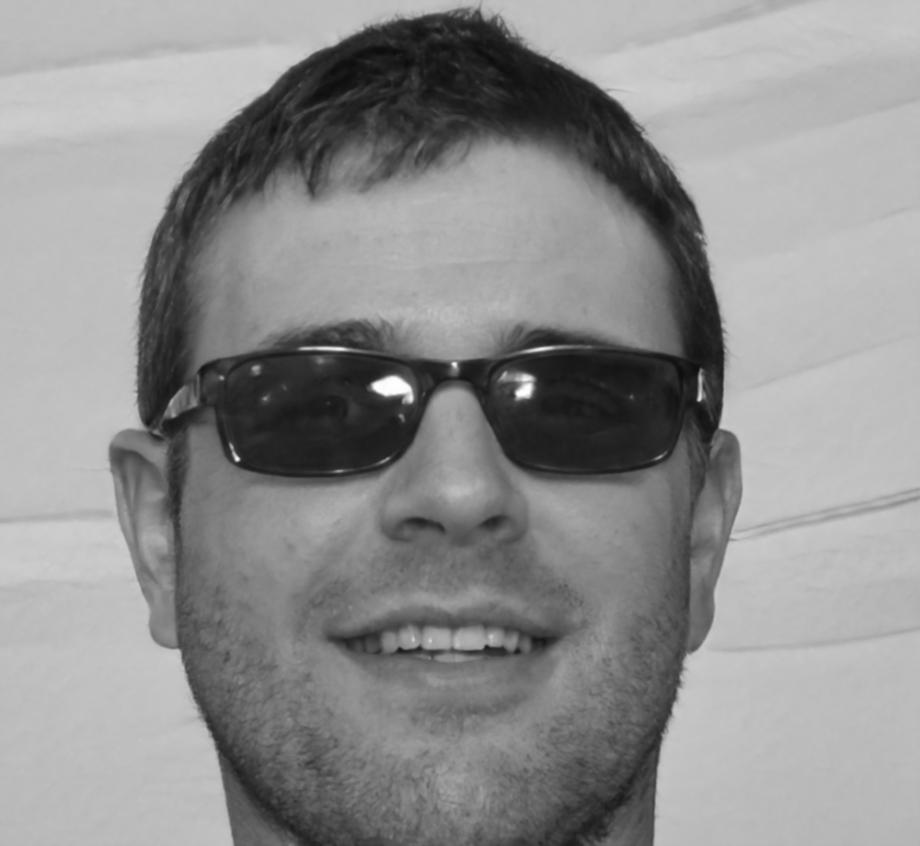
Oskar Lindqvist
News Editor
Spent eight years at regional dailies before moving to digital publications. Handles breaking news cycles and trains new proofreaders on deadline accuracy.
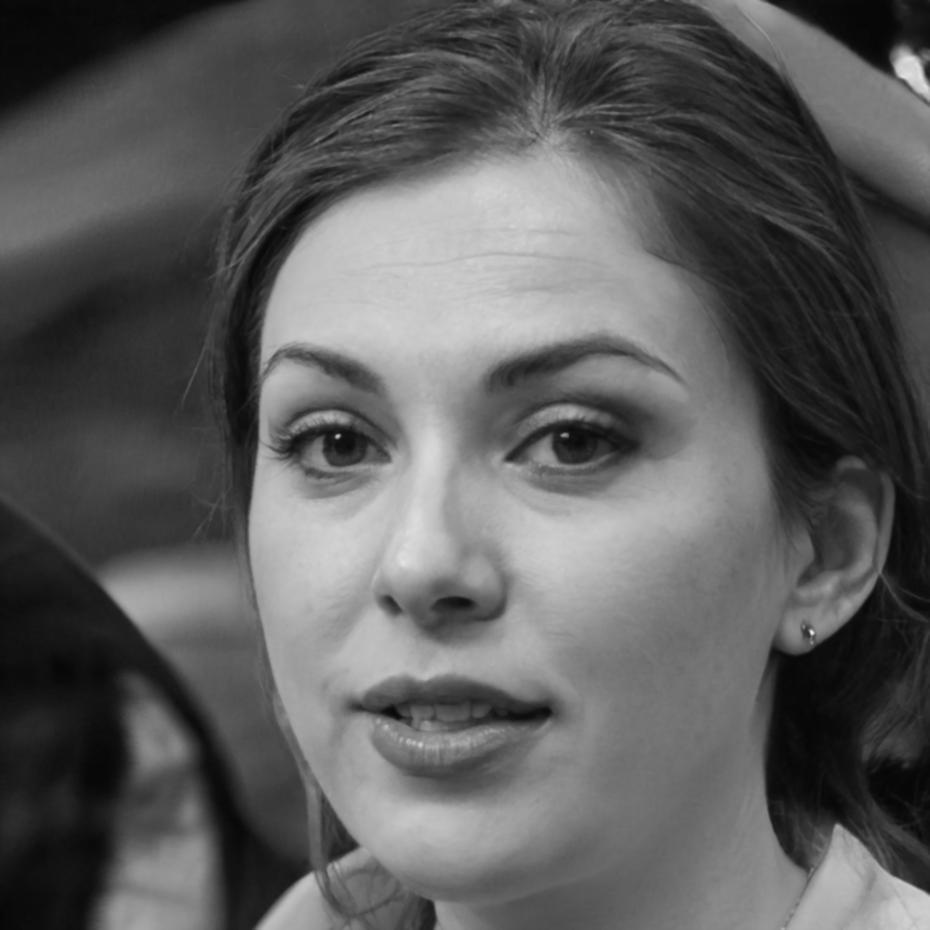
Anouk Devries
Features Proofreader
Works with longform content and investigative pieces. Her focus areas include fact-checking integration and maintaining voice while correcting technical issues.
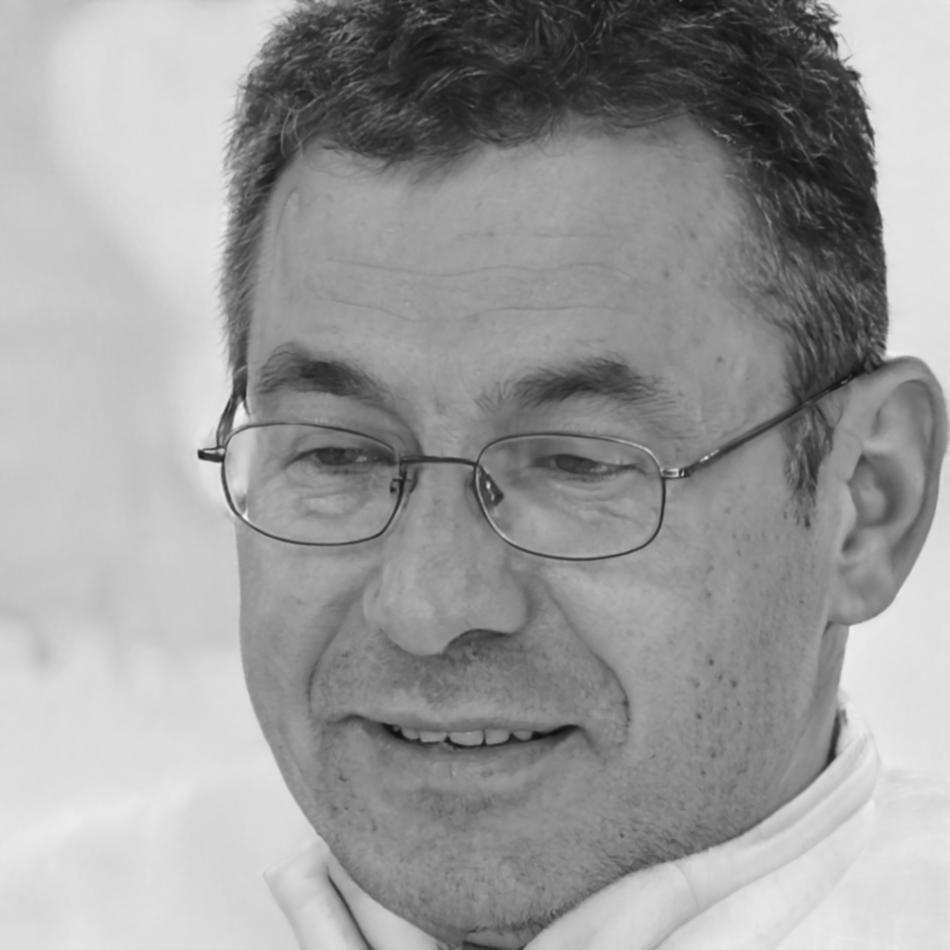
Ioannis Papadopoulos
Copy Chief
Manages editorial teams for a bilingual publication. Teaches style consistency across writers and the practical side of maintaining standards under pressure.
Applications Open for March 2026
Classes start mid-March. We're looking for people who read carefully and want to develop professional proofreading skills. Prior editorial experience helps but isn't required—just a solid grasp of English grammar and genuine interest in the work.