
Where Words Find Their Weight
Most proofreading courses teach you to spot errors. We teach you to understand why those errors matter—and how precision in journalism shapes the stories people trust.
Explore Our Teaching Approach
Not Just Correction—Context
I spent twelve years editing investigative pieces before I started teaching. What surprised me most? Students could fix commas all day but struggled to explain why a comma placement changed a sentence's legal meaning in a court report.
Real Editorial Decisions
You'll work with actual published articles from Taiwan's English-language press. We examine not just what was corrected, but what those corrections protected—reputation, accuracy, clarity under deadline pressure.
Source Material That Matters
Our curriculum draws from political coverage, cultural features, business reporting, and investigative work. Each text type has different risks. Each demands different attention.
Beyond The Style Guide
Style guides tell you the rules. We show you when editors break them—and why. Because sometimes a sentence fragment hits harder than a polished paragraph, and knowing the difference is the skill.
Three Skills Most Programs Skip
Technical accuracy is table stakes. What separates competent proofreaders from indispensable ones? These capabilities rarely show up in textbooks.
Recognizing Voice
Every writer has patterns. Great proofreaders preserve them while fixing problems. We train you to hear an author's rhythm before you change a single word—because invisible corrections are often the best corrections.
Reading Like Readers
You're not reading for pleasure or information. You're reading as the audience's advocate—catching every stumble, every confusion point, every place where meaning could fracture. It's a completely different cognitive mode.
Cultural Translation
Taiwan's English journalism serves multiple audiences—local readers, expats, international observers. A reference clear to one group might baffle another. We teach you to spot these friction points and suggest fixes that work for everyone.
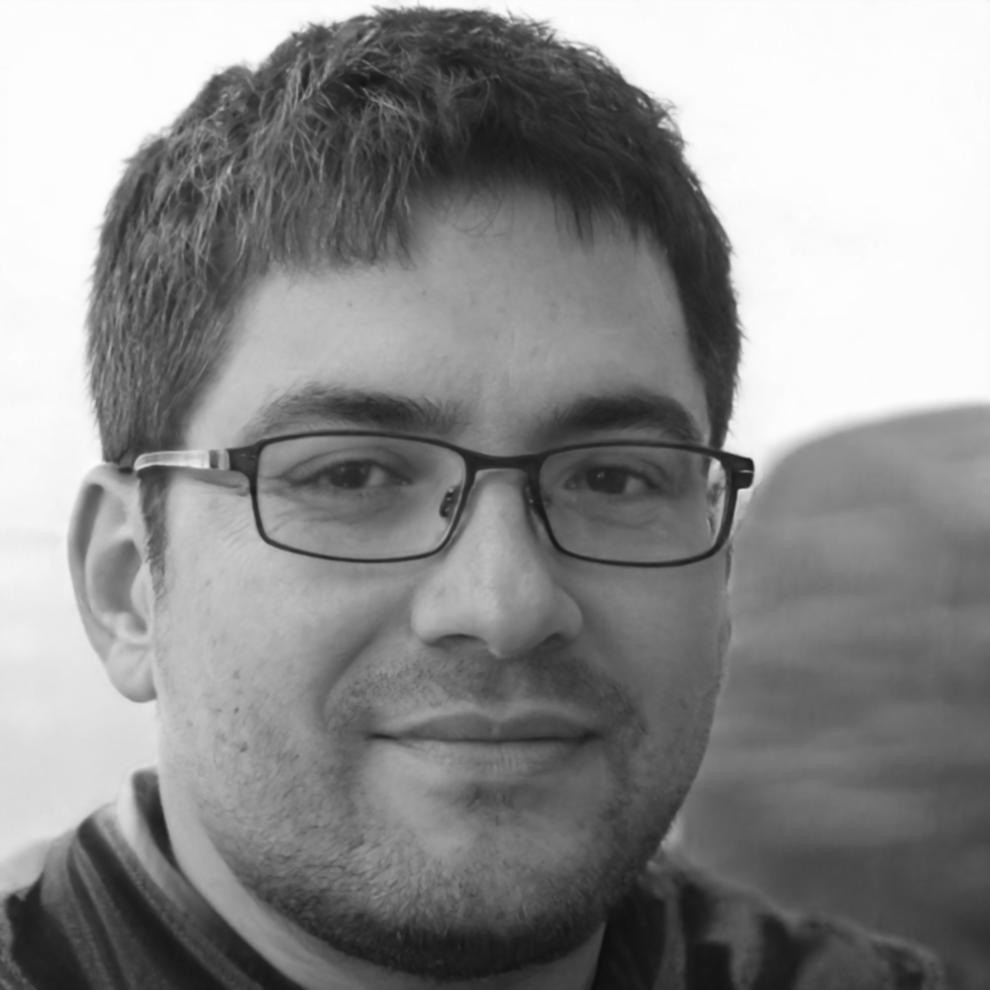
Harrison Roth
Lead Instructor
Learning From Someone Who's Made the Mistakes
"I once let a misplaced modifier through that implied a government official had been arrested when actually just questioned. The correction ran the next day. The reputation damage lasted months."
That happened in 2018. I've been teaching students to avoid similar disasters ever since. My background is newsroom editing—political coverage primarily, with some business and investigative work. I know what keeps editors awake at night because I lived it. Now I make sure you learn those lessons without the career scars. Our program starts in March 2026 with a cohort focused on practical scenarios drawn directly from real editorial challenges.
What Actually Changes As You Develop This Skill
Your Reading Speed Drops (And That's Good)
Beginners skim. Trained proofreaders read methodically, seeing structure before content. You'll slow down deliberately—because speed reading and accuracy are fundamentally incompatible in this work.
You Start Seeing Patterns Everywhere
After a few months, you'll notice which writers consistently confuse certain homophones. Which reporters write clean first drafts. Which stringers need more cultural context support. Pattern recognition becomes automatic.
Your Own Writing Gets Tighter
Can't help it. When you spend hours dissecting other people's sentence construction, your own prose starts shedding unnecessary words. You'll write cleaner emails. Clearer reports. More direct everything.
You Develop Editorial Judgment
Technical fixes are mechanical. Knowing when to query an author versus making the call yourself—that requires judgment. We build that through case studies where the right answer isn't obvious until you consider context.

How We Structure The Learning
Forget lecture halls and theory overload. Our approach mirrors how newsrooms actually train junior editors—through graduated responsibility and immediate feedback.
Foundation Month
You'll proof short pieces with known errors—simple corrections to build confidence and establish baseline speed. Nothing publishable yet, just deliberate practice with immediate comparison to expert corrections.
Context Building
Same articles, deeper analysis. Now we discuss why errors happened, what pressures caused them, how different fixes would read. You start developing editorial reasoning, not just mechanical correction.
Live Scenarios
Real articles from Taiwan's English press, proofed under realistic time pressure. You'll make judgment calls about what to query versus what to fix. We review every decision in group sessions—learning as much from peer choices as instructor feedback.
Portfolio Development
Final months focus on building work samples that demonstrate range. Political coverage, cultural features, investigative pieces—each requiring different editorial sensibilities. View recent student work to see the caliber we're aiming for.